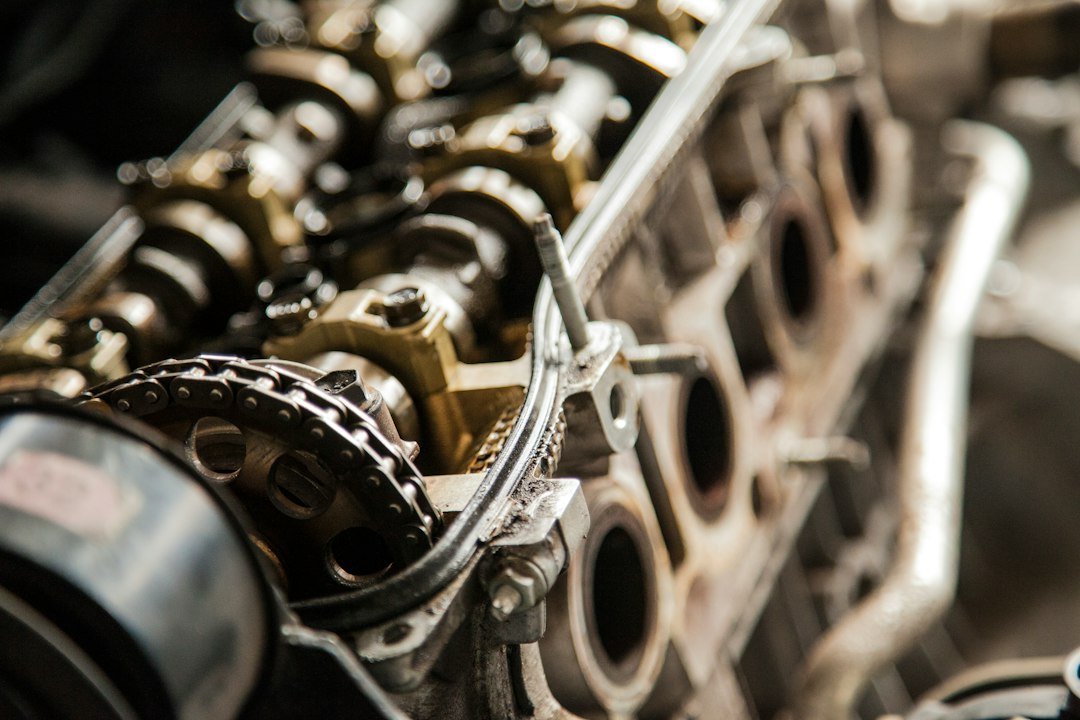
Engine oil helps moving engine parts work with less friction and wear. It also carries heat away from some components and helps control deposits and contaminants. To perform those jobs, the oil needs to match the requirements for the engine and be maintained according to the vehicle’s instructions.
A Simple Way to Understand the Job
Think about two metal surfaces moving against one another. A suitable lubricant helps separate and protect those surfaces under the conditions for which it was designed. Inside an engine, that task takes place alongside heat, combustion by-products and changing operating conditions.
Oil is therefore more than a liquid added to fill a space. The engine and lubricant need to work together. Knowing what the oil does makes it easier to understand why the product specification, level and service history are separate checks.
Lubrication Supports Moving Parts
An oil film and the oil’s additive system help reduce friction and wear between moving components. The details vary across different parts of an engine, so a general explanation should not be read as a claim that every surface is protected in exactly the same way.
Oil is not a repair for an existing mechanical defect. An unusual noise or warning needs the response described in the vehicle documentation, even if the oil was recently changed. Shell lubricant FAQ
Oil Helps Carry Heat
Oil transfers some heat away from the components it contacts. That is one of its useful roles alongside lubrication. It does not mean engine oil can replace the vehicle’s cooling system or correct the cause of overheating.
For the driver, the practical point is to treat the specified oil as one part of the engine’s operating requirements, rather than assuming any liquid with a similar appearance will do the same job. Shell lubricant FAQ
Cleanliness and Contaminants
Oil formulations help manage deposits and contaminants during use. This supports cleanliness, but it does not make oil permanently clean or remove the need for the prescribed service.
The word cleaning can be misleading if it is taken to mean that an oil will fix every deposit problem. Product claims need to be read in context. A general guide cannot confirm the condition inside an individual engine. Shell lubricant FAQ
The Specification Is More Than a Familiar Number
A label such as 0W-20 or 5W-30 is a viscosity grade. The vehicle’s oil requirement may also identify a performance category or a manufacturer specification. Those details serve different purposes and should be checked together.
API’s consumer guide explains its engine oil quality marks and service categories. Use that explanation to understand a label, then compare the actual product with the requirements in the matching owner’s manual. Do not select an oil solely because the front of the bottle contains a familiar number. API Motor Oil Guide
Three Checks Before a Routine Service
Identify the Vehicle
Have the model year, engine and sales market available. If an online guide covers a different version, find the correct documentation before using it. A registration year alone may not settle which manual applies.
Write Down the Requirement
Record the viscosity and performance requirements together. Bring that information to a service discussion or keep it available when comparing products. This makes it easier to ask a precise question if a label or invoice is unclear.
Keep a Record of the Work
After servicing, keep the date, odometer reading and details of the oil and filter used. Record a top-up separately from a complete oil change. The aim is a useful history of what actually happened, rather than a reminder based on an uncertain memory.
Questions to Ask Your Service Provider
If you are unsure about a recommendation, ask which requirement the proposed oil meets and where that requirement is documented for your vehicle. Ask whether the quoted work includes a filter change and what service information will appear on the invoice.
These questions do not require you to diagnose the engine. They help make the specification and the scope of the work visible. If there is an active fault, describe the symptoms and let the appropriate professional assess it.
Common Questions
Is Engine Oil the Same as Fuel
No. Fuel provides energy through combustion in a conventional combustion engine. Engine oil is the lubricant used to support the engine’s moving components. The two have different roles and should not be confused when reading filling or service instructions.
Does an Oil Change Repair Engine Damage
An oil change is a maintenance task. It does not establish that worn or damaged components have been repaired. If a problem remains, the vehicle needs appropriate assessment rather than repeated guesses about a different oil.
Where Should I Start When Choosing Oil
Start with the requirements for your exact vehicle in its owner’s manual or applicable manufacturer information. Then check the complete product specification. A general oil comparison helps explain the terms but cannot confirm suitability for every engine.
Continue Reading
Learn how to read engine oil viscosity numbers, find your car’s oil specification or understand a dipstick check. Choose the next guide according to the question you still need answered.
Sources
Shell lubricant FAQ Shell, Lubricants frequently asked questions. Used for general descriptions of oil’s lubrication, heat transfer and cleanliness roles. This is manufacturer material, not evidence of a RedOil product test.
API Motor Oil Guide American Petroleum Institute, Motor Oil Guide. Used for the explanation of API quality marks and the need to relate product information to vehicle requirements.